
Taco Tuesday Training Series
Part of Taco University
Join us for Taco Tuesday, a fun, free, fact-filled one-hour training webinar series, offered through Taco University. Designed for both residential and commercial audiences, these webinars keep you up to date on the latest HVAC systems, products, tools, and technologies.
Sessions are held every Tuesday at 12:00 PM ET and feature alternating residential-focused and commercial-focused topics, bringing Taco’s training into one clear, unified learning experience.
Each live webinar qualifies for one PDH credit. Attendance at the live session is required to receive PDH credit. Recorded sessions do not qualify. A link to your PDH certificate, along with access to the recorded webinar, will be emailed approximately 24 hours after the live session concludes.
New for 2026: The Efficiency Workshop
As part of Taco University’s residential programming, The Efficiency Workshop is a year-long Taco Tuesday series focused on improving hydronic system efficiency through practical, field-driven fundamentals. The series covers core principles that influence system performance across all system types, including cast iron, mod-con, and air-to-water heat pump applications.
2026 Training Schedule:
All Taco Tuesday webinars are held on Tuesdays at 12:00 PM ET. After registering, you will receive a confirmation email with details on how to join the live webinar.
Residential
June 9: The Efficiency Workshop: Outdoor Reset Is Great, But Indoor Reset Might Just Be Better – 1 PDH
Presented by John Barba, Dave Holdorf and Jason Kockx
Outdoor reset has been around for decades, and for good reason. It saves energy by adjusting water temperature based on outdoor conditions. But what if the real efficiency gains come from responding to what’s happening inside the building?
In this session, Dave Holdorf explores indoor reset and how using indoor feedback can improve comfort and efficiency at the same time. When systems respond to the people living in the space, everyone wins.
July 14: The Efficiency Workshop: Why A Buffer Tank Belongs on Your Next Mod-Con – 1 PDH
Presented by John Barba, Dave Holdorf and Jason Kockx
Short cycling is one of the fastest ways to kill efficiency and equipment. When mod-con boilers fire too often for too short a time, fuel use goes up, components wear out faster, and comfort suffers.
In this session, John Barba, Dave Holdorf, and Jason Kockx break down why short cycling happens, how it impacts real-world systems, and when a buffer tank makes sense. You’ll learn how a properly applied buffer tank can stabilize system operation, improve efficiency, and reduce nuisance service calls. If you want mod-cons to run the way they were designed to, this one belongs on your calendar.
August 11: The Efficiency Workshop: You CAN Use DHW Recirculation with Heat Pump Water Heaters, Provided You Follow These Steps – 1 PDH
Presented by John Barba, Dave Holdorf, and Jason Kockx
Heat pump water heaters are efficient until poor recirculation control ruins the equation. The good news? You can absolutely combine DHW recirc with heat pump water heaters, provided you follow the right strategy.
In this session, Jason Kockx shows what goes wrong when recirc systems are misapplied and walks through proven control methods that protect efficiency while delivering fast hot water. You’ll leave with practical guidance to keep customers happy without sabotaging system performance.
August 25: The Efficiency Workshop: Integrating Multiple Water Temperatures into Your Heating System Can Be an Efficiency Goldmine – 1 PDH
Presented by John Barba, Dave Holdorf and Jason Kockx
Designing hydronic systems with a single water temperature is straightforward, but it’s rarely the most efficient solution. Many homes combine air handlers, baseboard, radiators, and radiant floors, each with different temperature needs. When designed correctly, these mixed-load systems can unlock major efficiency gains.
In this session, Dave Holdorf shows how to pipe and control multi-temperature hydronic systems with confidence. You’ll learn how simple design and control strategies, including resetting the reset can dramatically improve performance while keeping comfort exactly where it belongs.
September 22: The Efficiency Workshop: Why You Need to Care About System Curves – 1 PDH
Presented by John Barba, Dave Holdorf, and Jason Kockx
Pump curves get most of the attention, but system curves often determine how a system actually operates. Every piping circuit has its own hydraulic fingerprint, and ignoring it can lead to poor performance, wasted energy, and frustrated customers.
In this session, John Barba, Dave Holdorf, and Jason Kockx explain what system curves are, how they’re calculated, and why they matter so much. You’ll also see, in graphic detail, how oversized circulators can cripple efficiency and how to avoid that trap.
October 13: The Efficiency Workshop: Three Simple Ways to Maximize Your System Performance – 1 PDH
Presented by John Barba, Dave Holdorf and Jason Kockx
Improving hydronic system performance doesn’t have to involve expensive upgrades or complicated designs. Often, small changes made in the right places deliver the biggest returns.
In this practical session, John Barba, Dave Holdorf, and Jason Kockx share three simple, cost-effective strategies that boost efficiency and comfort. These are real-world improvements you can apply immediately, without increasing project cost or complexity.
November 10: The Efficiency Workshop: How to Your Domestic Hot Water Recirculation System the Smart Way – 1 PDH
Presented by John Barba, Dave Holdorf and Jason Kockx
Domestic hot water recirculation is all about eliminating wait time, but when systems are oversized or poorly controlled, they waste energy and damage plumbing. Getting it right requires the right balance of sizing and control.
In this session, Jason Kockx shows how to properly design and control DHW recirc systems so customers get hot water when they want it, without compromising efficiency or system longevity. Smart control doesn’t have to be complicated, and this session proves it.
December 8: The Efficiency Workshop: The 12 Days of Hydronics – 1 PDH
Presented by John Barba, Dave Holdorf and Jason Kockx
As the year wraps up, it’s the perfect time to revisit the fundamentals that make hydronic systems work better. Efficiency isn’t about one significant change; it’s about a series of smart decisions made consistently.
In this festive session, John Barba, Dave Holdorf, and Jason Kockx share their favorite tips, tricks, and best practices drawn from decades in the field. From low-tech common sense to smart ECM setup, you’ll leave with ideas you can use immediately.
Commercial
June 2: Deep Dive into Taco HVAC Solution (HSS) Software – 1 PDH
Presented by Brett Zerba, Rich Medairos, P.E., and Tony Furst
Designing hydronic systems doesn’t have to take hours. In this session, we’ll show how Taco HVAC Solution Software streamlines pipe sizing, system layouts, and component selection in minutes.
You’ll learn how the Wizard function works, how default values are applied, and how to generate DXF and PDF outputs quickly. It’s about designing smarter, faster, and with confidence.
June 16: How to Read a Psychometric Chart – 1 PDH
Presented by Brett Zerba, Rich Medairos, P.E., and Tony Furst
Psychrometric charts look complicated, until they don’t. In this session, we’ll demystify the chart by breaking down each line and term, including dry bulb, wet bulb, enthalpy, humidity ratio, and relative humidity.
You’ll learn how this powerful tool applies to real HVAC systems and how it helps you understand air, moisture, and energy in a whole new way.
July 7: Expansion Tank Sizing and Selection – 1 PDH
Presented by Brett Zerba, Rich Medairos, P.E., and Tony Furst
Expansion tanks protect systems, but only when they’re selected and installed correctly. In this session, we’ll explain why expansion tanks are needed, the different types available, and how Boyle’s Law applies to sizing.
We’ll also cover tank placement, selection criteria, and common troubleshooting issues. The result: systems that operate safely, quietly, and reliably.
July 28: Deep Dive into Taco Base Mounted FI Pumps – 1 PDH
Presented by Brett Zerba, Rich Medairos, P.E., and Tony Furst
Base-mounted pumps are workhorses in commercial HVAC systems, but understanding how they’re built and applied makes all the difference in performance and reliability.
In this deep dive, we’ll walk through base-mounted FI pump construction, operating specifications, seal options, spare parts, and Taco’s dry-shaft design. You’ll also learn how eLink connectivity supports monitoring and service, and how proper selection ensures long-term system success.
August 18: Plate and Frame Heat Exchangers – 1 PDH
Presented by Brett Zerba, Rich Medairos, P.E., Tony Furst, and Jim Eiss
Plate and frame heat exchangers are compact, efficient, and incredibly versatile, which is why they’re used in so many HVAC applications. But like any component, their success depends on understanding how they work, where they belong, and how they’re sized.
In this session, we’ll explain what plate and frame heat exchangers are, where they’re commonly applied, and how basic system layouts affect performance. We’ll also cover temperature considerations and the information manufacturers need to properly size a unit, helping you avoid costly mistakes and maximize efficiency.
September 1: Commercial Domestic Hot Water Return Flow Control and Variable Speed Circulators – 1 PDH
Presented by Brett Zerba, Rich Medairos, P.E., Tony Furst, and Jason O’Neill
Domestic hot water systems are expected to deliver fast, consistent hot water, but doing that efficiently isn’t always easy. Poor balancing, oversized pumps, and outdated approaches often lead to wasted energy, unstable temperatures, and unnecessary wear on system components.
In this session, we’ll explain why balancing matters, where traditional methods fall short, and how variable speed circulators offer smarter solutions. You’ll learn how to improve system stability, reduce energy use, and avoid common pitfalls that plague DHW return system.
September 15: Introduction to Hydraulic Separation / Separators – 1 PDH
Presented by Brett Zerba, Rich Medairos, P.E., and Tony Furst
As hydronic systems grow more complex, hydraulic separation becomes increasingly important. When multiple circuits interact without proper separation, performance suffers, control becomes unpredictable, and efficiency drops.
This session introduces hydraulic separators, explaining how they work, where they’re used, and how they function as a hydraulic bridge between system circuits. We’ll also cover common applications, benefits, and mistakes to avoid, giving you the confidence to apply separation correctly.
October 6: Deep Dive into Taco Vertical In-Line Pumps – 1 PDH
Presented by Brett Zerba, Rich Medairos, P.E., and Tony Furst
Vertical in-line pumps are popular for good reasons: they save space, simplify piping, and deliver reliable performance in commercial systems. But selecting and maintaining them properly is key to long-term success.
In this session, we’ll explore Taco KV and KS models, common applications, capacities, and basis-of-design considerations. We’ll also cover coupling options, seal replacement, and service best practices so you can specify and support these pumps with confidence.
October 20: Manual Pressure Drop Calculations for HVAC Pumping / Piping Systems – 1 PDH
Presented by Brett Zerba, Rich Medairos, P.E., and Tony Furst
Selection software is powerful, but understanding what’s behind the numbers still matters. When pressure drop calculations are misunderstood or skipped, systems can miss the mark before they’re even installed.
In this session, we’ll walk through the fundamentals of pressure loss calculations, including point-to-point methods, equivalent length, and Cv values. You’ll gain a stronger foundation for evaluating system designs and validating software-based selections.
November 3: Automatic Control Valves, Sizing, and How They Impact Flow Control and Variable Speed Pump Operation – 1 PDH
Presented by Brett Zerba, Rich Medairos, P.E., Tony Furst, and Jason O’Neill
Automatic control valves play a critical role in hydronic system performance, yet they’re often misunderstood or misapplied. How a valve is selected and sized directly affects flow stability, pump energy use, and overall efficiency.
In this session, we’ll cover common control valve operating modes, when PICCVs make sense, and why proper valve sizing and valve authority matter. We’ll also explain how valve selection impacts variable speed pump operation, helping you make smarter choices that improve control, efficiency, and system reliability.
November 17: Condenser Water Piping: Common Issues and How to Avoid Them – 1 PDH
Presented by Brett Zerba, Rich Medairos, P.E., Tony Furst, and Jason O’Neill
Condenser water systems are simple in concept and easy to get wrong. We’ll walk through common piping mistakes, cavitation causes, NPSH considerations, and how pump speed impacts system performance.
You’ll also learn where hydraulic separation fits in, what problems to watch for, and how to avoid issues before they become expensive callbacks.
December 1: What is Net Positive Suction Head (NPSH) – 1 PDH
Presented by Brett Zerba, Rich Medairos, P.E., and Tony Furst
Few topics cause more confusion, or more real-world damage, than NPSH. When it’s misunderstood, cavitation and premature pump failure aren’t far behind.
In this session, we’ll break down NPSHa and NPSHr, explain how to calculate them, and show how proper system design protects pumps. You’ll leave with a clear, practical understanding of how to avoid cavitation and extend equipment life.
December 15: Top 10 Troubleshooting Techniques for Diagnosing HVAC Pumping System Issues – 1 PDH
Presented by Brett Zerba, Rich Medairos, P.E., and Tony Furst
When HVAC pumping systems don’t perform as expected, a structured approach is critical. Guesswork leads to wasted time, frustrated customers, and repeat service calls.
In this session, we’ll walk through Taco’s top troubleshooting techniques, from gathering field data and interviewing the customer to analyzing results and recommending solutions. You’ll learn how to stay calm, stay methodical, and solve problems with confidence.
Meet the Trainers

John Barba
Director of Training
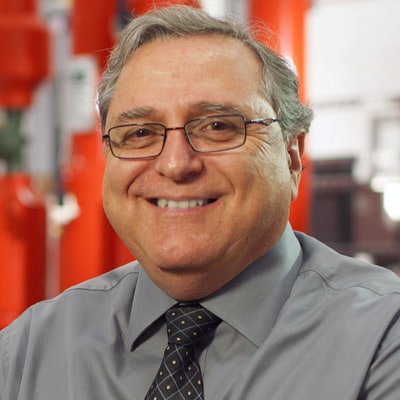
Rich Medairos, P.E.
Director of Engineered Products and Systems Training
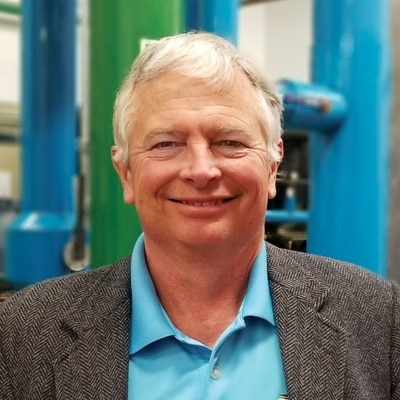
Brett Zerba
Applications Engineer
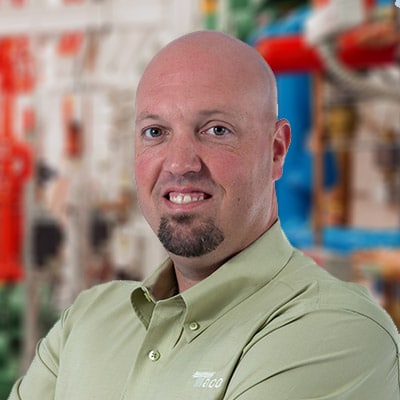
Dave Holdorf
Residential Trainer, Eastern Region
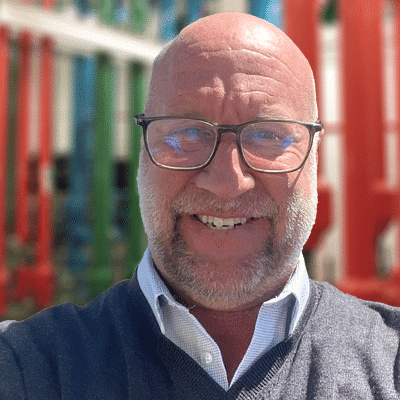
Jason Kockx
Western Product and Application Instructor
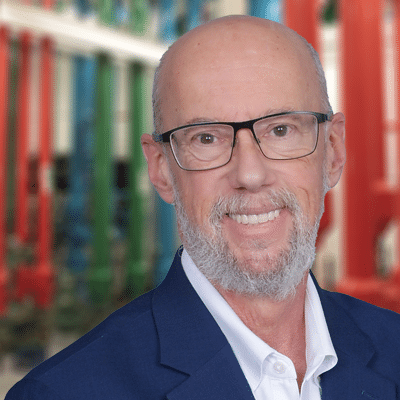
Tony Furst
Sr. Systems Engineer, Commercial Training
Webinar Library
Taco Tuesday webinar recordings.